



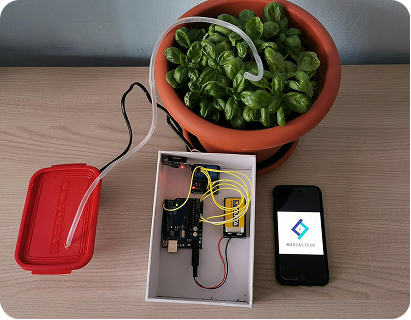
Smart Irrigation System
Automatically waters plants using moisture sensors.

The Smart Agriculture & Food Tech Club at Glee Gather helps students explore the future of farming and food innovation. Through unique hands-on experiments and IoT-powered agriculture projects, children learn how technology is transforming the way the world grows food.
This program inspires curiosity, sustainability, and real-world problem-solving through modern agri-tech tools.
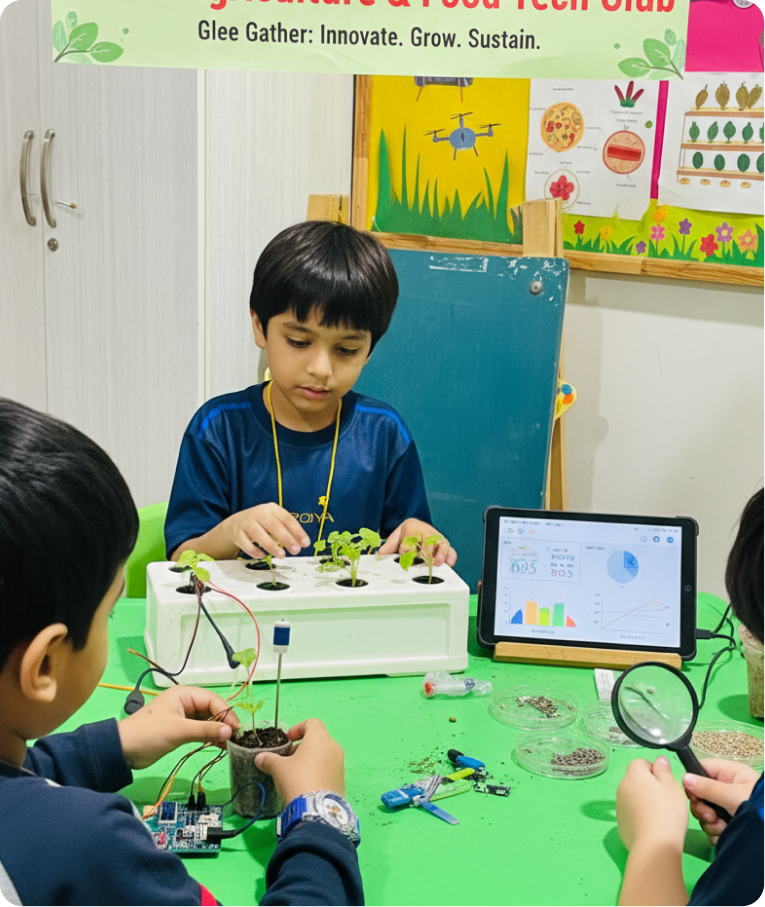
Our agriculture technology program blends science, IoT, and robotics to teach students how smart systems improve farming and food production.
Students get to solve real-world problems while developing engineering, sustainability, and creative thinking skills.
Each student receives an IoT-based agriculture kit for building smart farming systems and completing hands-on experiments.
| Category | Information |
|---|---|
| Target Age Group | Grades 6–10 |
| Duration | 8-Week Project-Based Course |
| Format | Hybrid with IoT Kits & On-Campus Experiments |
| Price Range | PKR 8,000 – 15,000 |
| Certification | Smart Agriculture Junior Engineer |

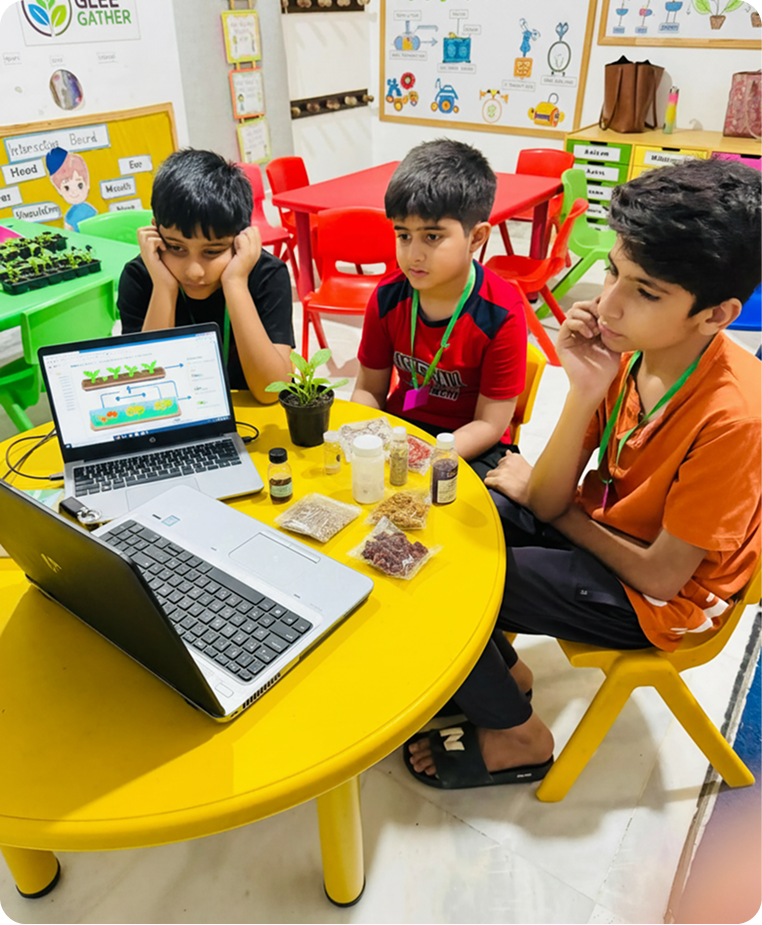
Students explore agriculture through real experiments, IoT devices, sensors, and engineering design challenges.
Nurturing Future Agri-Tech Innovators
Grow the future with hydroponics, IoT sensors, and sustainable farming. Innovate solutions for tomorrow's food security challenges.
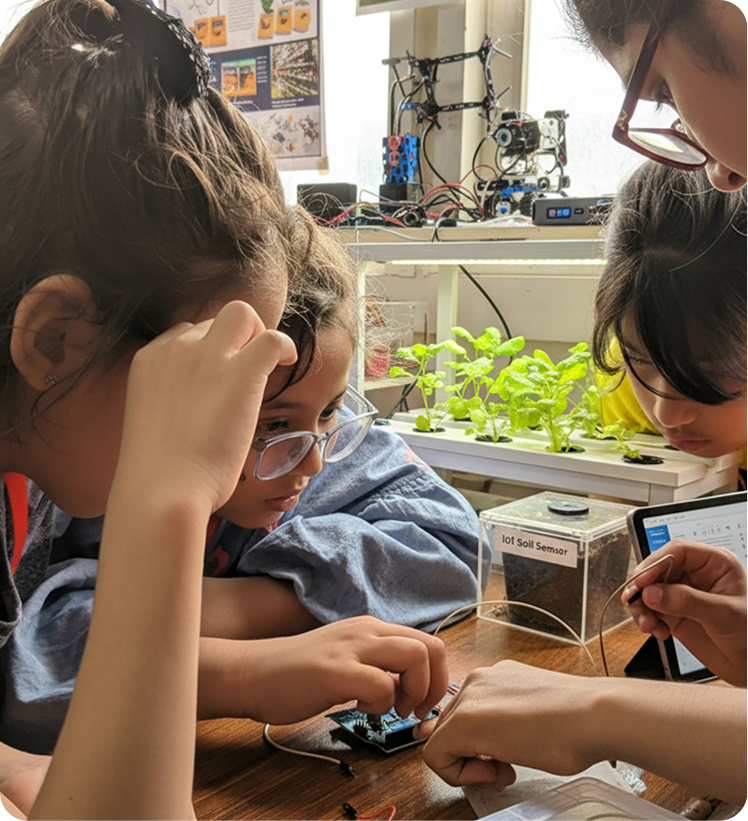
Hands-On Agri-Tech Creations
Automatically waters plants using moisture sensors.
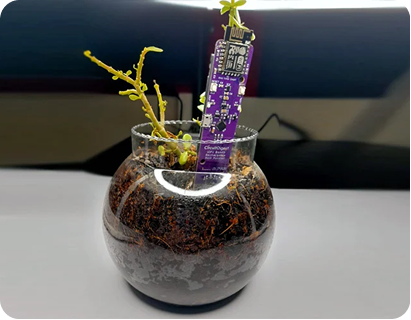
Tracks moisture, temperature, and nutrients.
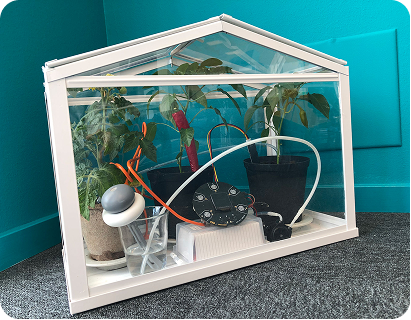
Controls humidity and light using IoT tools.

Explore safe handling and preservation concepts.
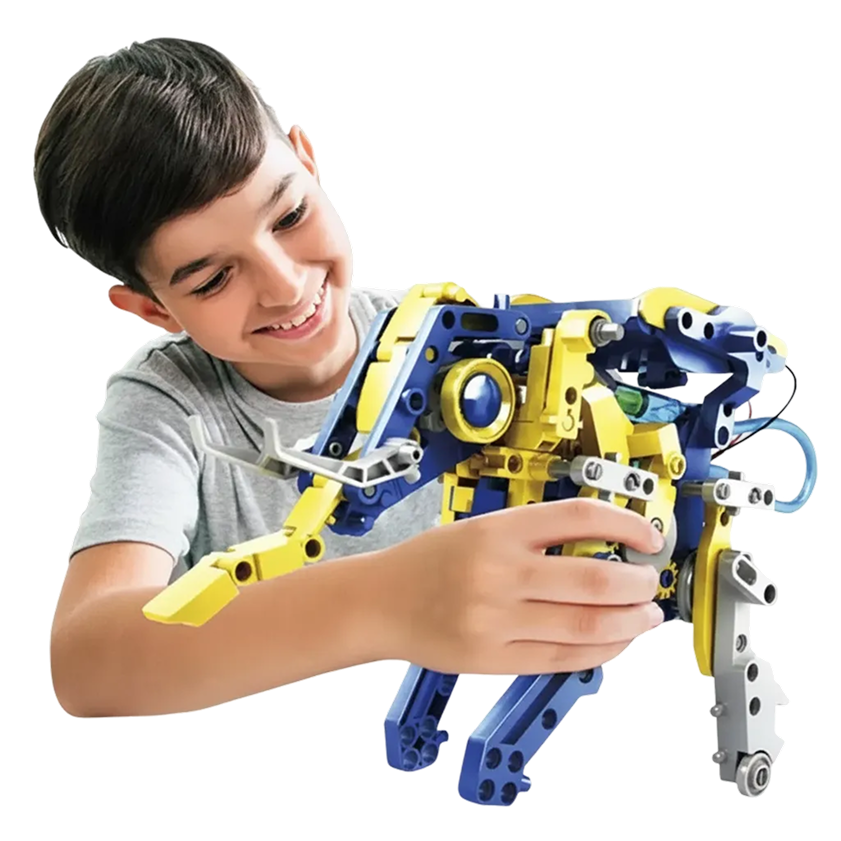
Help your child explore sustainability, technology, and innovation through hands-on agriculture and food tech projects.
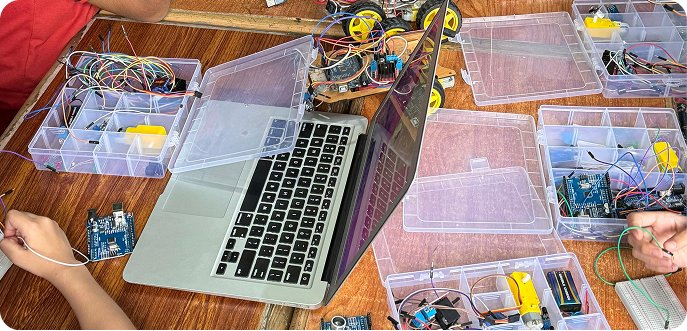
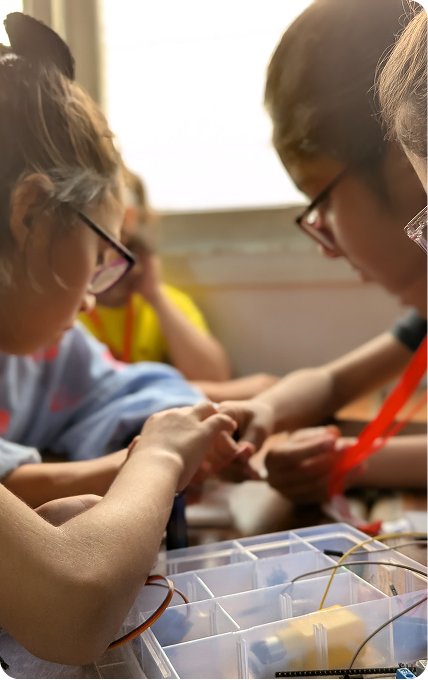
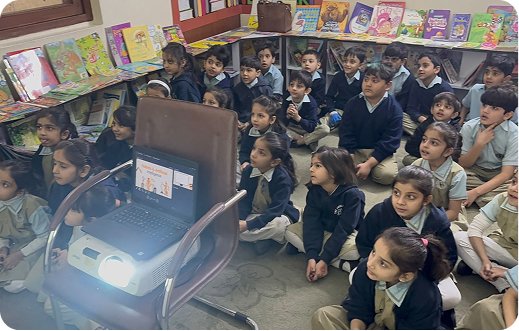
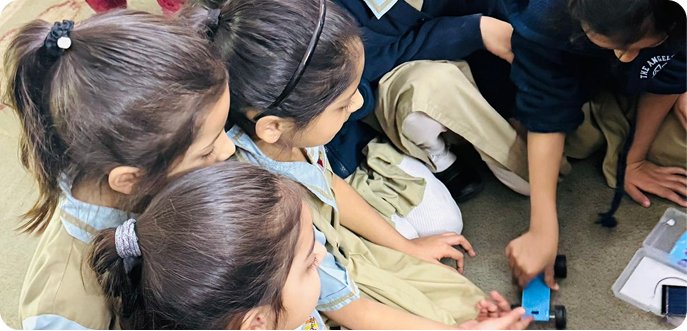
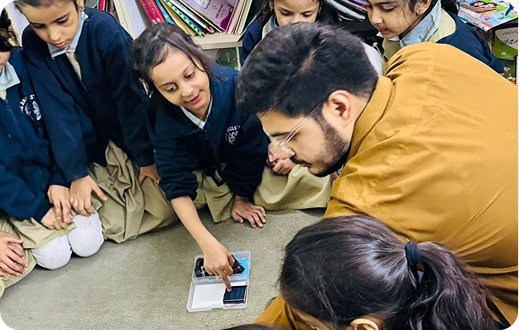
Watch students monitoring hydroponic gardens, programming IoT sensors, and innovating sustainable farming technologies.
We’ve answered some of the most common questions to make your experience smooth and stress-free.
In this course, you’ll learn how technology is transforming farming and food production, from building smart irrigation systems to creating automated gardening solutions.
You’ll explore how technology like sensors, drones, and automated systems can make farming more efficient and eco-friendly, reducing waste and saving water.
You’ll work with sensors to monitor soil moisture, temperature, and light, and learn how data collection and automation can help crops grow healthier and faster.
Yes! You’ll create and test simple smart farming tools like automated watering systems or apps to monitor plant health, gaining valuable experience in both tech and agriculture.
Absolutely! This course is designed to help you understand how technology can be used to improve local food production, making it more efficient, sustainable, and accessible.
